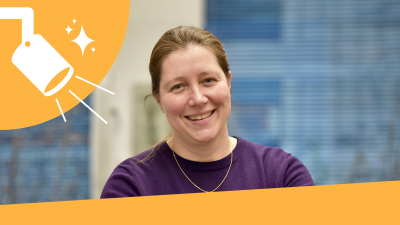
Madelene Loftin
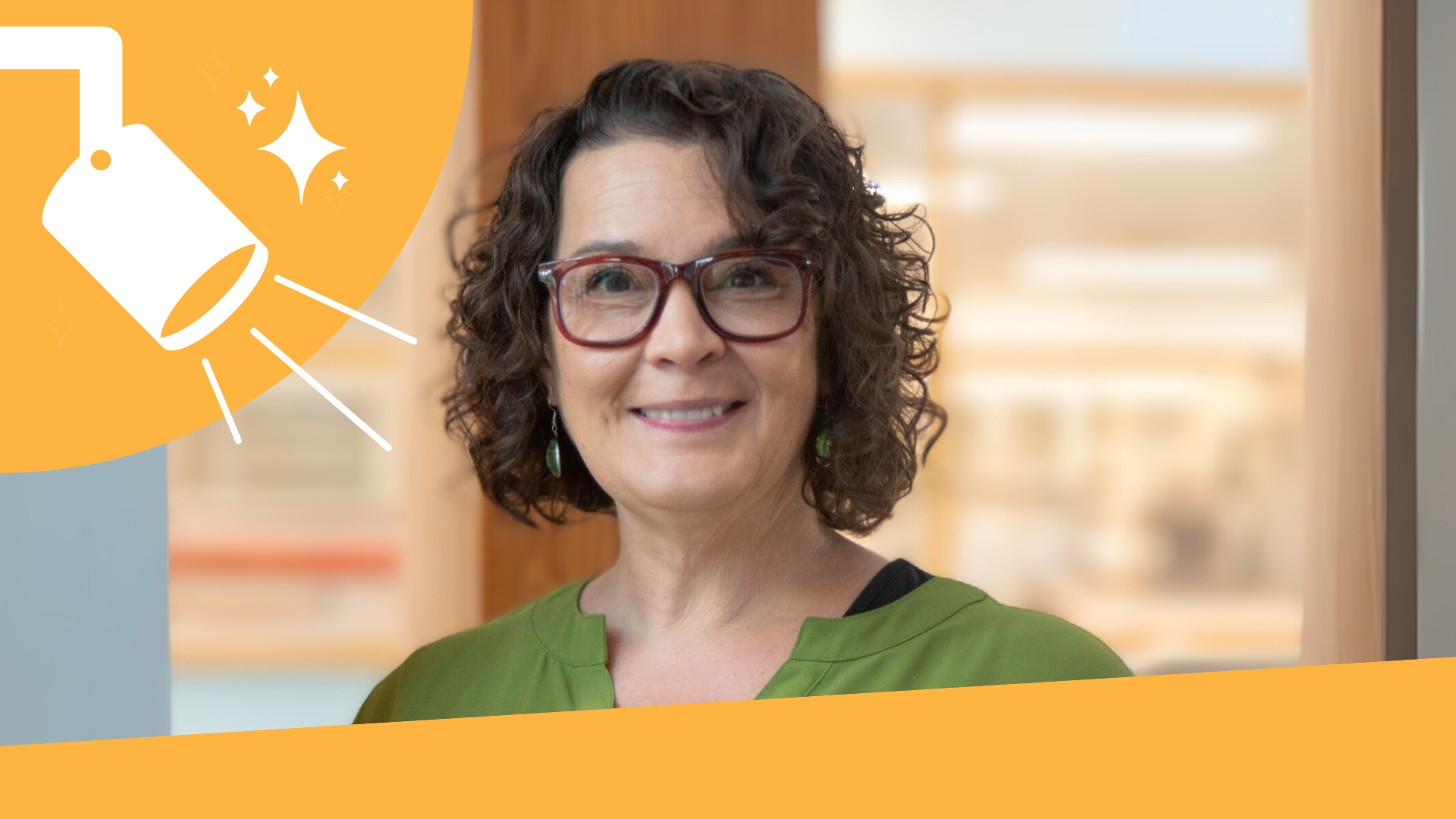
Gill chatted with Madelene Loftin to learn more about her innovative and impactful work at HudsonAlpha, a nonprofit biotechnology research institute in Huntsville, Alabama.
Introducing Madelene
Madelene Loftin is the Director of Educator Professional Learning at the HudsonAlpha Institute for Biotechnology. Madelene is an innovative and engaging educator who shares her excitement about science with students and helps to shape the next generation of science educators through teacher professional development workshops.
PGED met Madelene through the NIH Science Education Partnership Award (SEPA) community. Immediately, we knew we were kindred spirits. In the summer of 2019, Madelene and her Educational Outreach team at HudsonAlpha hosted PGED to deliver a three-day workshop for Alabama educators.
Gill: Tell me a bit about what you do at HudsonAlpha.
Madelene: I work in the Educational Outreach Office, where our focus is building a genomically literate society. We do that through working with students, teachers, patients, and the public. Our team develops kits to introduce genetics content into classrooms and support teachers with their teaching. We engage with students at many levels to introduce biotech concepts and careers. We have a genomics clinic on campus where the genetic counselors on our team see patients. HudsonAlpha’s public programs engage learners throughout the state. My work is primarily with teachers, and I and my team build and deliver teacher training and resources. However, I also love working with students.
One of the things that I think is missing from some professional learning experiences for teachers is ground truth. I think you are a better teacher of teachers if you can walk into a classroom and teach students. Our team tries to have ample opportunities to interact with students because it makes us better teacher teachers.
Gill: What’s one project that you are especially proud of?
Madelene: Every year HudsonAlpha puts out Biotechnology Discoveries and Applications, an annual guidebook. The guidebook is a series of short articles written in student-friendly language that take discoveries from the last year, tie them to course of study standards where applicable, and provide a way for teachers to stay a bit current. Genomics moves fast. New and groundbreaking science stories make excellent hooks to get kids engaged in what you’re talking about in science class.
Gill: The guidebook sounds like an incredibly useful product! Can you share more about it?
Madelene: The guidebooks come out during the first quarter of every year. Making the book keeps us current because we have to read hundreds of research articles every year to pick the ones that make guidebook stories. We spend a lot of time thinking about how to take a scientific paper and turn it into a three-paragraph article that makes sense to a high school student. HudsonAlpha has been producing the books since 2009. It is good brain work! I love that for my job, I get to invest time in reading and learning and keeping up with what’s happening in science and at the same time work with students and teachers. It’s a lot of fun.
Gill: In addition to making products for teachers, your team also works with high school students. What’s one student project you’re excited about?
Madelene: We have an ongoing peanut cultivar project, under the direction of Dr. Josh Clevenger. We work with students from ten high schools to plant peanuts and extract DNA from leaf punches. The DNA is sequenced here at the Institute, and then the data is returned to the students. The students use the data to decide which plants to cross before those plants flower. We connected some students with local farmers so they could better understand how to make these decisions based on traits like disease and pest resistance. Then, the plants get manually crossed to produce the next generation.
This project is unique because typically, breeding a new peanut cultivar is all done phenotypically. It’s not driven by genetic analysis. And, it takes about 15 years. With this project, we already have a peanut cultivar in a test bed doing seed amplification in year three. This kind of project would have been unheard of 10 years ago, much less with high school students involved.
Gill: What do you think is the biggest challenge in your field today?
Madelene: It’s a difficult time to be a science teacher. Some science content may be seen as controversial. As a non-profit, it’s important to be a friend to all, and we do our best to support teachers during challenging moments.
Gill: What do you think is the biggest opportunity?
Madelene: There’s so much data available in public databases and many entry points for students. Students have the opportunity to find the data that they’re interested in and dig deeply into it. We are rapidly moving to a place where classroom science labs generate real research data. That’s exciting because we can build generations that understand and trust how science happens.
Gill: If you could work with PGED to accomplish one new thing, what would it be?
Madelene: We would love to have PGED come back to Alabama. The teachers got so much value from the 2019 workshop. Some of them still talk about how much they learned. I would love to find a way to host similar workshops, not just in Huntsville, but throughout Alabama, and engage some of our other state partners.
Gill: What is your favorite thing to do outside of work?
Madelene: I love flipping furniture! I pick up strange pieces of furniture off the side of the road and fix them, make them beautiful, and then find them a new home. I have a garage full of pieces that have to find homes. I’m glad they’re not winding up in the landfill–and it’s a lot of fun.
Gill: What else would you like to share with our audience?
Madelene: Our annual guidebook is a quick way for teachers to access content about genetics and genomics. It is freely available, and the newest edition will be on our website in March (2025).
We also offer materials for educators through our partnership with Carolina Biological. The purchase of those kits helps support our education work.