
Share Your Stance is PGED’s First Tabletop Conversation-Starter
Share Your Stance on Personal Genetics (SYS) is an opinion-sharing card game for curious explorers of science, policy, technology, and identity in the genomic age. SYS will set you on a mind-bending exploration to learn new things about yourself and the world around you!

About the Game
Share Your Stance on Personal Genetics isn’t merely speculation about the future—the game covers events happening in our world, today. Players discuss their ideas and questions about some of today’s most pressing topics, such as climate change, biohacking, and data privacy.
The game aims to identify a player’s gut reaction to a complex or controversial idea about genetics and then build upon it. Players make decisions, share candid opinions, and learn the unique perspectives of those exploring alongside them.
What Does the Card Deck Include?
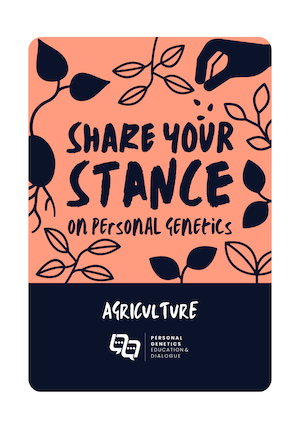
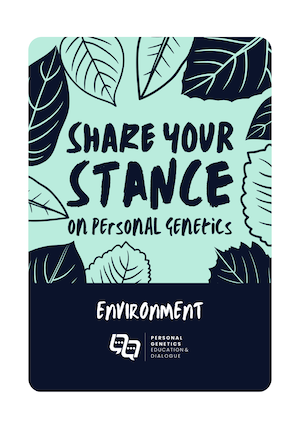
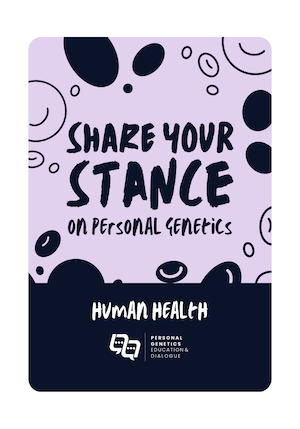
- 25 discussion cards across 5 categories. Each discussion card contains a ‘Big Idea’ statement and a ‘What If…’ question.
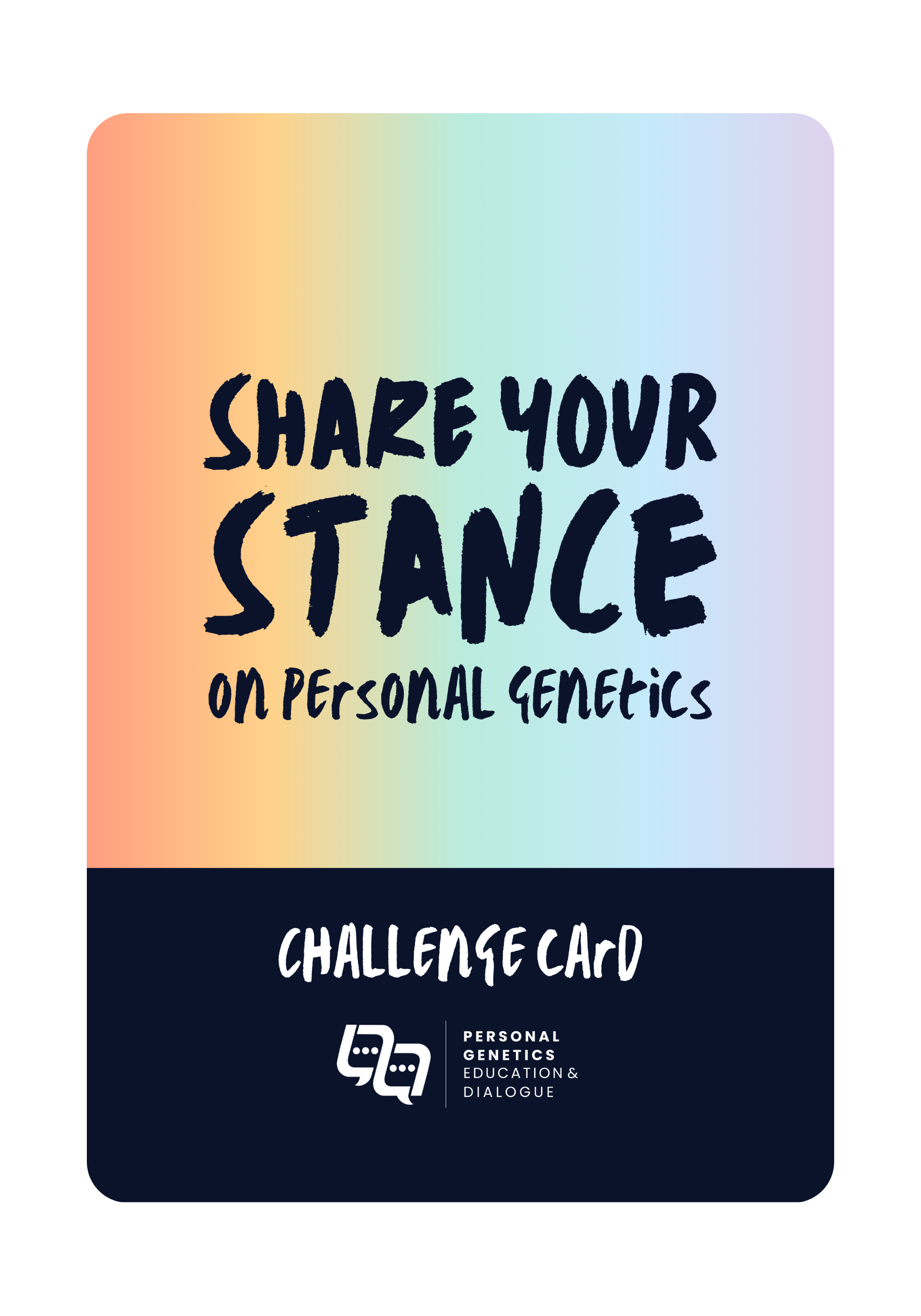
- 15 challenge cards that offer an action, question, or idea to consider with a discussion card.
- 2 rule cards for reference during gameplay.








Play with Free Downloads
We’re offering the game package as free downloadables in our Resource Hub! By accessing the digital package, you can download the:
- Card Deck + Player Guide
- Facilitator Guide
- Facilitator Slide Deck
- Promotional Flyer
- Editable Social Media Graphics – tag us in your gameplay photos! #PGED #shareyourstance
We always appreciate the feedback we receive from folks who use our resources. Use the feedback form below to share your thoughts after playing the game.

Play with Friends Online
SYS online can be a self-driven inquiry activity or played in groups in physical or virtual spaces.
Don’t have a physical copy of the deck handy? No problem – just access the fully-interactive version of the game online!
Curious to Learn More?
Watch the video to learn the ‘why’ and ‘how’ behind PGED’s creation of SYS. This video was recorded as a part of a presentation for the Science Communication and Outreach for Public Engagement (SCOPE) program.


Deepen Your Experience with Learning Resources
Our lesson plans inspired us to create SYS. To broaden the impact of your gameplay, consider aligning your experience with a full or mini-lesson about the card topics. Access related lessons and other learning materials in our Resource Hub!
Pilot Testing the Game
Our team ran game pilots from October, 2024-March 2025 to see whether SYS effectively engaged people in discussions about personal genetics. We are grateful to our pilot testers for playing SYS with their students, community members, and families!
We also play-tested SYS with the Wu Lab at Harvard Medical School, at the Boston Museum of Science during our “God, Science, and Our Search for Meaning” film screening and discussion event, and during a classroom visit to the Boston Day & Evening Academy. PGED will also host a game session at the MIT Museum in celebration of DNA Day on April 26th, 2025!
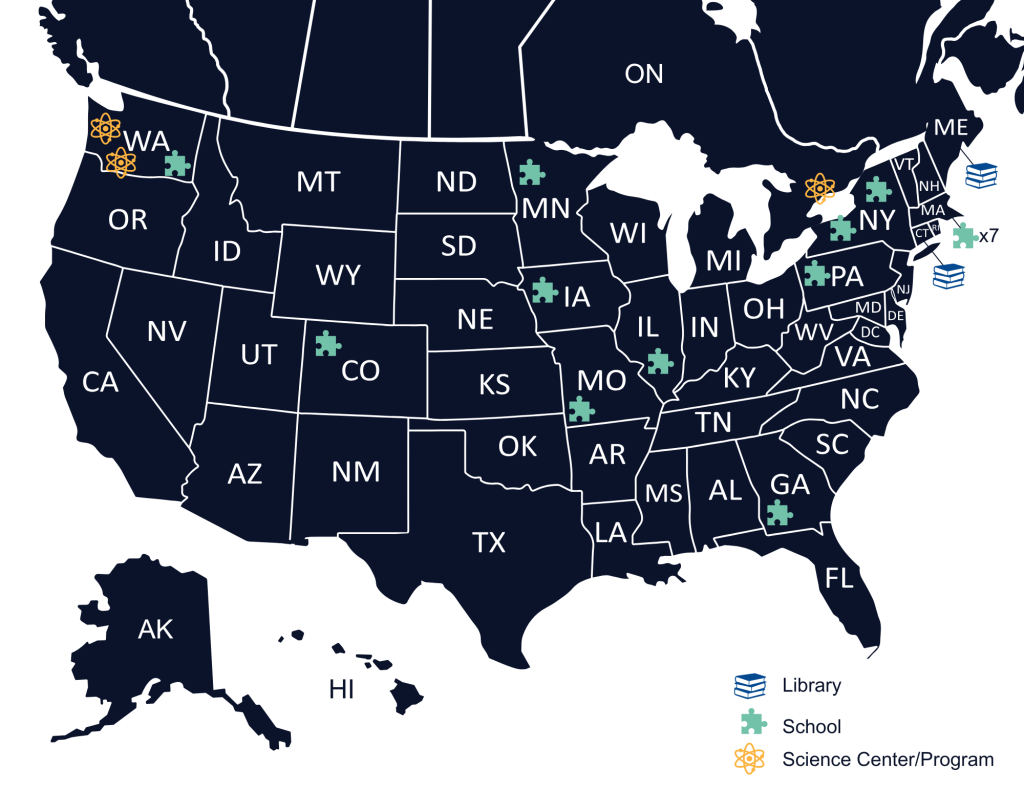
SYS was prepared for gameplay in:
- 10 high school classrooms
- 9 college classrooms
- 5 informal science learning centers
- 4 libraries or other community spaces

160
participants

13
states and provinces

24
pilot sites
What Pilot Testers Had to Say
Learn what some of our pilot testers thought about their SYS gameplay experience!

Creative Ways to Use the Cards
Our pilot testers told us how they used or imagined using their game kit. Their creative approaches inspired us to explore new ways to play. Here are some of their ideas:
- Share opinions by writing on whiteboards, index cards, construction paper, stickers, or sticky notes.
- Share opinions on digital platforms like Padlet and Miro boards.
- Respond individually or in small groups to one or a few selected cards at the beginning of class as a bell-ringer activity.
- Respond to cards at both the beginning and end of a unit to gauge how opinions have shifted after learning more about the topics.
- Write a personal reflection on a selected card topic at the beginning of class to begin a new class lesson or unit.
- Write a short opinion essay or reflection about one card topic with reputable sources used as justification.
- Use the cards as statements for an in-person four corners activity.
- Use the cards as prompts for an online discussion forum.
- Keep the discussion lively with a follow-up activity from a related PGED lesson.
- Let each player choose their favorite card to present to the group for discussion.
Do you have other suggestions for ways to play? Contact a member of our team to share your ideas so we can add them to the list!

Interested in Future Pilot Opportunities?
Are you interested in supporting PGED’s development of new educational products? Join our newsletter to stay up-to-date on new announcements, opportunities, and launch events!