Description
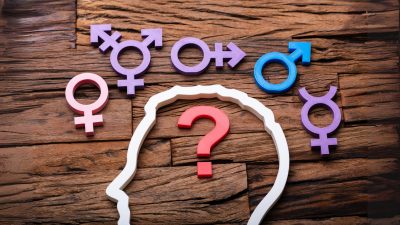
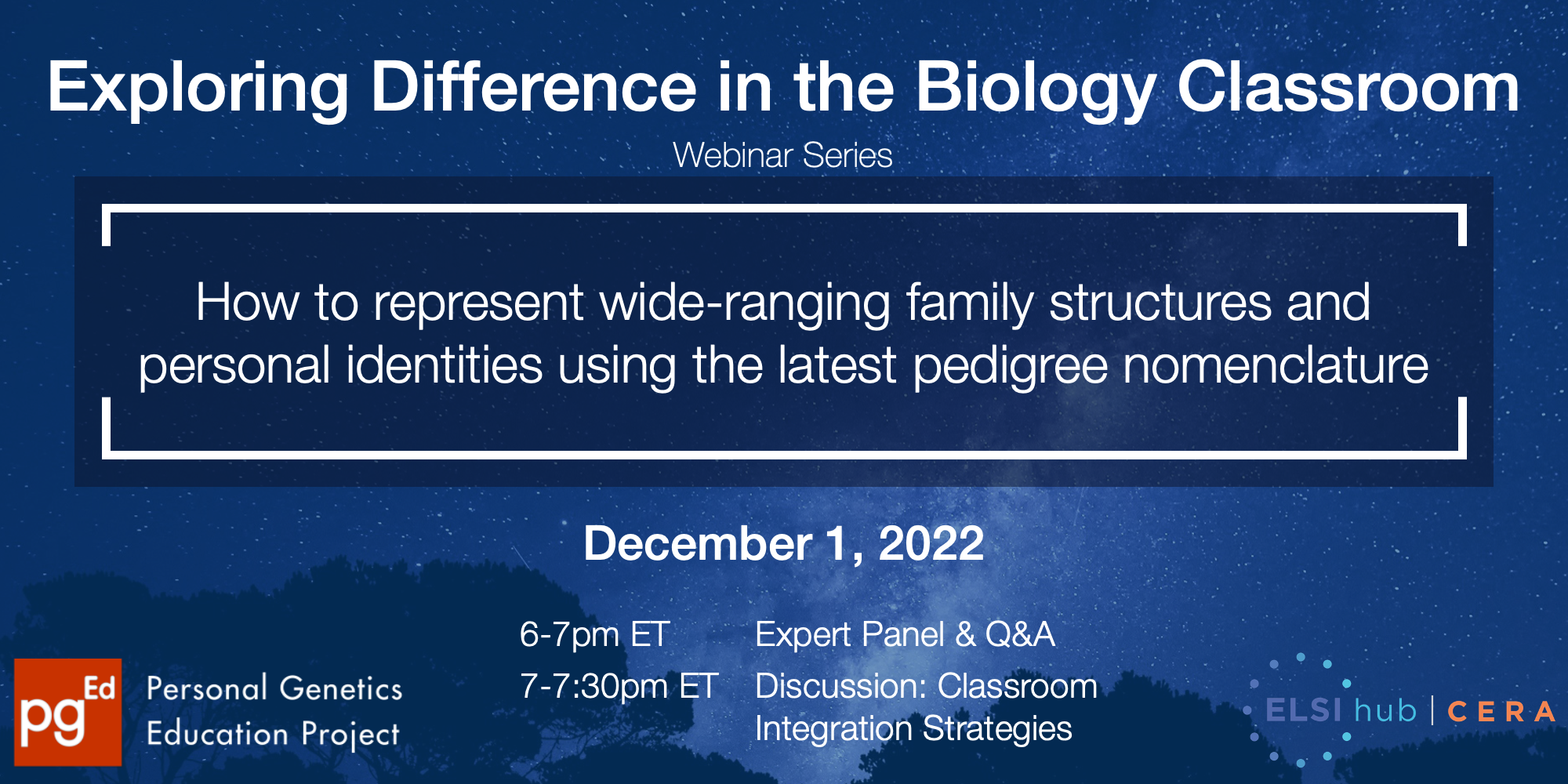
Pedigrees are a widely used tool in medicine, research, and teaching. In the classroom, pedigrees are a helpful tool for students to learn about genetics and the various ways in which genetic traits can pass through families. Traditionally, what most people have learned about pedigrees in school is that squares are for males, circles are for females, and lines indicate connections between parents and children across generations. Family structures and personal identities are wide-ranging and so, for many people, this nomenclature will fall short. For example, people who were adopted or conceived by donor sperm may grapple with how to accurately portray their family relationships. People whose gender identity does not align with their sex assigned at birth may find these symbols inadequate. How can educators create an environment that is welcoming and inclusive for all students, while still being able to clearly convey genetic concepts?
This program is part of a webinar series titled Exploring Difference in the Biology Classroom that brought together educators and researchers for conversations about the ethical, legal, and social implications (ELSI) of genetics. The series was organized by Personal Genetics Education & Dialogue in partnership with the Center for ELSI Resources & Analysis.
View Our Terms of Use & Copyright Policy Statements.
Panelists
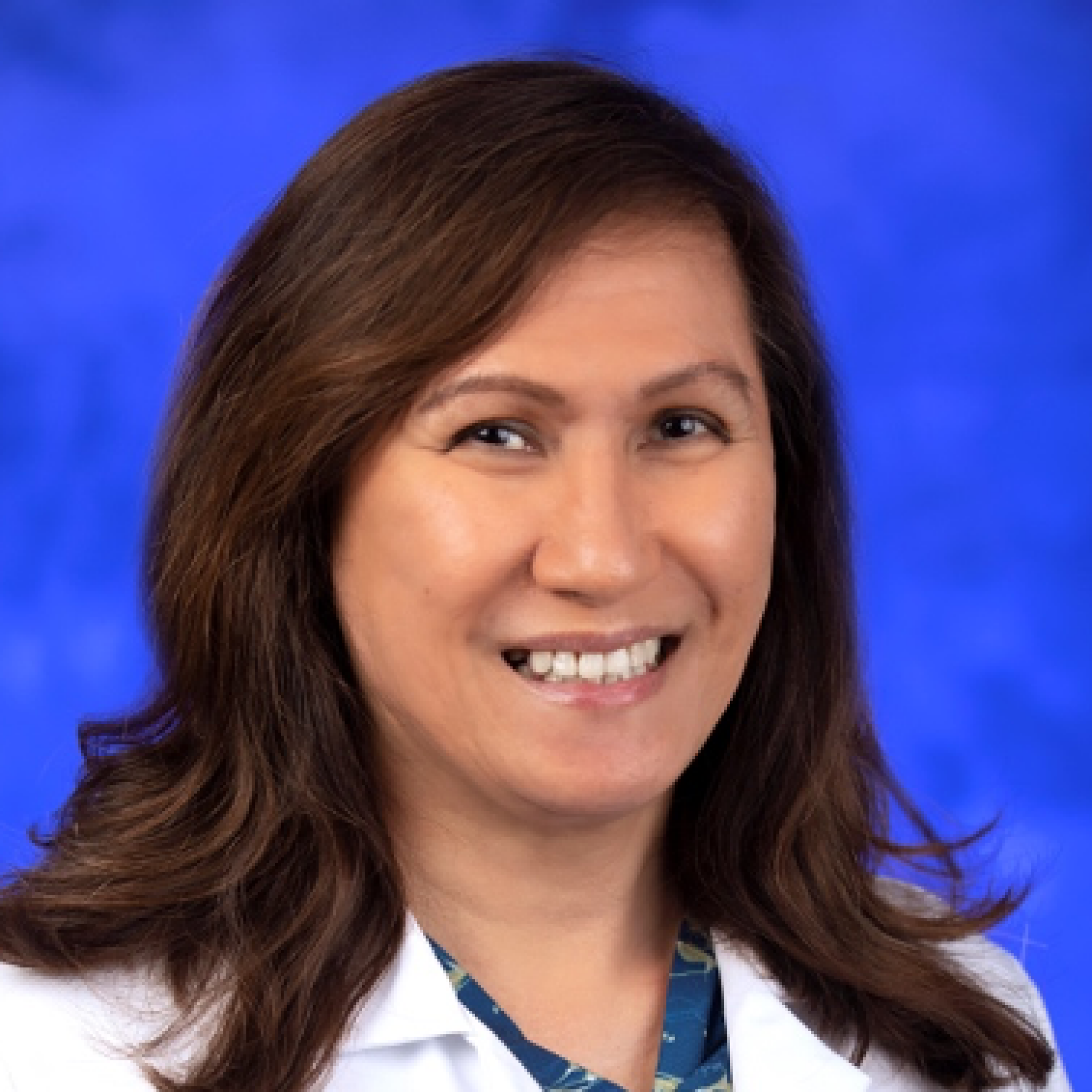
Ina Amarillo, PhD (she/her) is a medical genomicist, and currently the lab director the Cytogenetics and Molecular Pathology Lab and Associate Professor in the Department of Pathology and Lab Medicine at Penn State Health/College of Medicine in Hershey, Pennsylvania. A trans-identifying woman, Dr. Amarillo collaborated with various academic, research and community organizations to strongly advocate for inclusive and affirmative health care practices for gender-expansive and trans individuals, and people with variations of sex characteristics/VSC (differences of sex development/Intersex).

Robin Bennett, Professor of Medicine and Program Director of the University of Washington Genetic Counseling Graduate Program, is a nationally recognized leader in genetic counseling. Robin has made significant contributions to the body of knowledge of genetic counseling and is most known for her work in pedigree nomenclature, consanguinity, presymptomatic testing for Huntington disease and other neurogenetic disorders, cancer genetics, and the National Society of Genetic Counselors (NSGC) Code of Ethics. She authored The Practical Guide to the Genetic Family History. Robin serves as genetic counseling editor For Genetics in Medicine and on their IDEA (Inclusivity, Diversity, Equity, Anti-racism). She’s served as president of the NSGC, a member of the board of directors of the American Board of Genetic Counseling, and a founding board member and past president of the Accreditation Council for Genetic Counseling. She served on the board of directors of the American Society of Human Genetics. Currently Robin is on the DEIJ Committee of the Association of Genetic Counseling Program Directors. She earned a bachelor’s degree in biology from Kenyon College, which later awarded her an honorary scientific doctorate. Robin is a graduate of the Human Genetics Program at Sarah Lawrence College.