
Description
Language in biology and medicine can frame disability as a deviation from what is normal, acceptable, and welcome–a framework that can extend into classrooms. However, importing terms like “disorder” or “mutation” from these fields can reinforce assumptions that disabled people are less capable, less valuable in society, and less independent compared to people without disabilities. What ideas or messages are we sharing in our language about biological differences? Reflecting on this question is the first step toward addressing barriers to student engagement, preventing potential harm, and creating more inclusive classrooms.
In this session, two leading disability scholars provide an introduction to the evolution of disability language, discuss current trends, share insights from their work in clinical settings, and identify practices that can support inclusive education and engagement around disability and difference. The program focuses on evidence-based, pedagogical approaches that affirm the dignity, humanity, and agency of disabled and neurodiverse people and support them to learn, grow, and flourish.
This program is part of a webinar series titled Exploring Difference in the Biology Classroom that brought together educators and researchers for conversations about the ethical, legal, and social implications (ELSI) of genetics. The series was organized by Personal Genetics Education & Dialogue in partnership with the Center for ELSI Resources & Analysis.
View Our Terms of Use & Copyright Policy Statements.

Panelists

Dr. Kara B. Ayers is the Associate Director of the University of Cincinnati Centers for Excellence in Developmental Disabilities (UCCEDD) and a Leadership Education in Neurodevelopmental and related Disabilities (LEND) Core Faculty member. She is a psychologist and an Assistant Professor whose research interests include parenting with a disability, disability culture in media, and health inequities experienced by people with disabilities. In addition to conducting research and teaching, Kara also analyzes policies to decide how they would impact people with disabilities and then works with policymakers to improve those policies. Outside of work, Kara enjoys reading and watching her kids participate in sports. Read an overview of Kara's published work.
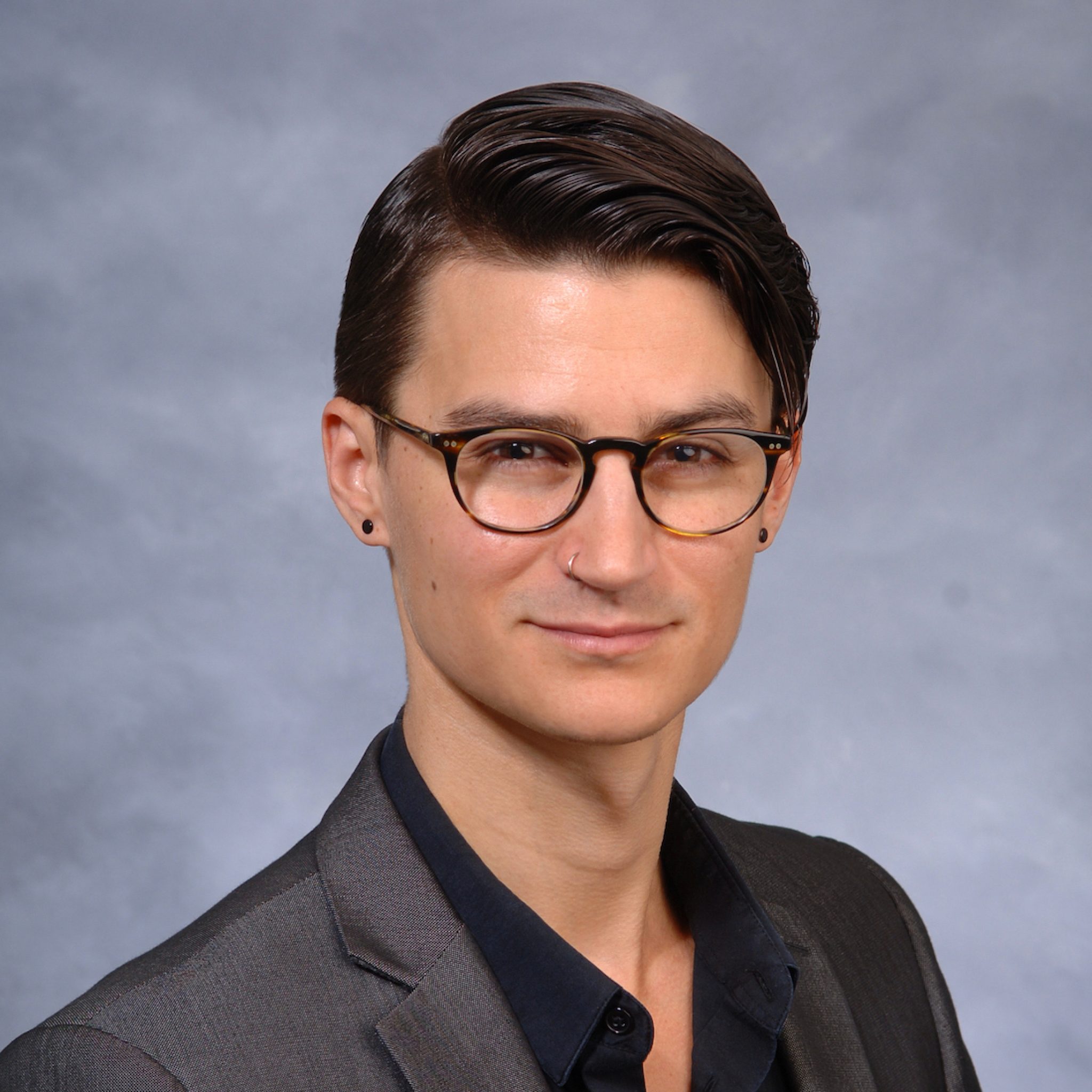
Dr. Joel Michael Reynolds is an Assistant Professor of Philosophy and Disability Studies at Georgetown University, Senior Research Scholar in the Kennedy Institute of Ethics, Senior Bioethics Advisor to and Fellow of The Hastings Center, and Faculty Scholar of The Greenwall Foundation. At Georgetown, they are also core faculty in the Disability Studies Program, affiliated faculty in the Medical Humanities Initiative, and a faculty fellow of Ethics Lab. They are the founder of The Journal of Philosophy of Disability and co-founder of the book series Oxford Studies in Disability, Ethics, and Society from Oxford University Press. Read Joel's full bio.