
Personal genetics means something unique to every individual. For some, it’s the decision to ask about genetic testing for cancer risk during a doctor’s visit. For others, it’s deciding to take an ancestry test to get connected with distant relatives. Or, perhaps deciding to participate in a genetic study at a nearby university hospital.
Regardless of how genetic information influences our decisions, it often has personal implications – both for us as individuals and the people in our lives. These implications are called ‘personal genetics’.
How Might Genetics Impact My Life?
Genetics finds its way into people’s lives in many different ways. People think about genetics when:
- An ad for an ancestry test pops up on the TV;
- Discussing personal or family health history at the doctor’s office;
- A member of law enforcement asks to take a cheek swab;
- Deciding between GMO or non-GMO foods at the grocery store;
- An email invitation to participate in a research study populates their inbox;
- And many other moments.
With new technologies being developed to read, understand, and modify the genetic information of all living things, it’s important to consider how personal genetics plays a role in our lives before facing significant decisions about health, family planning, proposed legislation, and more.
By proactively exploring personal genetics, people become better equipped to understand and navigate personal and societal challenges related to new technological developments.
Health & Medicine
Genetics plays an important role in shaping a person’s health and susceptibility to disease. Recent advances in genetic testing technology have made reading the genetic code faster and less expensive, enabling more people to use information from their DNA to make informed medical decisions.
Common Questions:
- What genetic technologies are on the horizon that might help my family?
- Who will benefit from genetic health technologies? Who might be at risk?
- How much do genetic health technologies cost?
- How can we ensure genetic health technologies are used to benefit all people?
To learn more about how genetic information can help doctors, scientists, and individuals make informed decisions about health and medicine, go to:

Ancestry & Family Connections
Advances in genetics have given researchers new tools for analyzing people’s DNA to gain insights into human populations’ ancestral histories. The rise of low-cost DNA ancestry tests marketed to consumers is enabling people to discover their ancestry.
Ancestry tests are nuanced, and the results are subject to limitations. Still, these tests can yield warmly welcomed results or fill in missing pieces of a family story. They may also provide results that cause people to feel upset or worried, and the results may conflict with an individual’s personal and cultural identities.
To learn more about the different types of ancestry tests, how they work and their limitations, and why your ancestry test results might change over time and across different companies, go to:
Genome Editing
Genome editing can be used to treat and cure genetic disorders, improve human health, produce nutrient-dense foods, and resolve environmental issues. This is done by making specific changes to an organism’s DNA. Genome editing techniques can deactivate faulty genes or be used to insert or delete pieces of DNA code.
However, while the technology’s potential benefits are significant, it also raises a host of ethical and safety concerns that require careful consideration and open discussions.
For example:
- The successful use of genome editing to treat Sickle Cell Disease is groundbreaking. However, with treatments costing millions, access and affordability are critical issues.
- Genome editing could make some foods safer for human consumption. But this might also impact ecosystems in unpredictable ways.
- The concept of genome editing of human embryos opens the door to future generations free from certain diseases. But this raises questions about consent, unintended consequences, and broader societal impacts.
As scientists, policymakers, and the public debate these issues, it’s clear that the technology’s promise must be balanced with responsibility, ensuring that it serves humanity without causing harm.
To learn more about how genome editing might be used, go to:

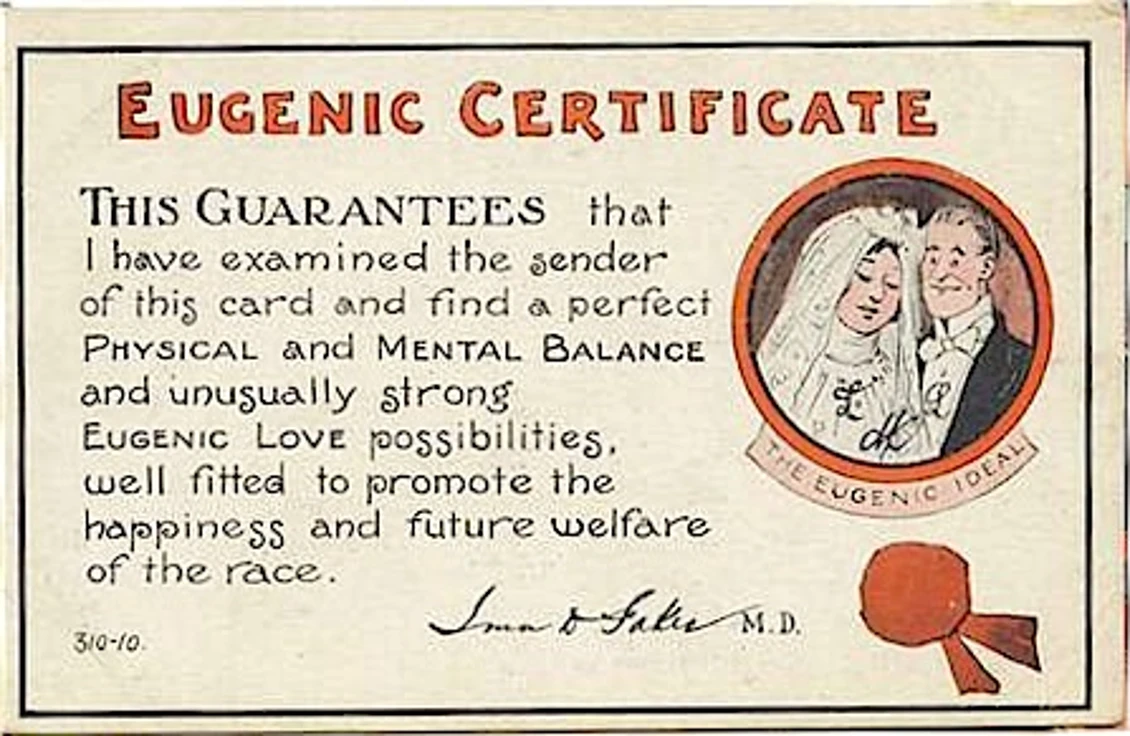
History of Eugenics
Many people fear that novel developments in genetics, particularly embryo screening and the analysis of fetal DNA, could lead to a new era of eugenics. How can we as a society take advantage of the benefits of genetic technologies while avoiding the mistakes of the past?
The American eugenics movement was supported and encouraged by a wide swath of people who shared a goal of reducing the “burden” on society. The scientific arguments behind eugenics were flawed from the beginning yet took root and grew.
Common Questions:
- Why would improvements in healthcare that have the potential to save lives and reduce suffering through the use of genetic information cause people to worry about eugenics?
- How did the eugenics movement in the United States impact people?
- How can we avoid the mistakes of previous years so that society can benefit from advances in healthcare without the fear of unethical treatment?
To learn more about the history of the American eugenics movement, go to:
Law Enforcement & Privacy
DNA collection and analysis is an important tool in law enforcement. DNA analysis is regularly used and updated to create new ways of identifying suspects, finding missing people, and solving criminal cases and exonerating the wrongfully accused.
However, it can be challenging to establish ethical and legal frameworks that guide the use of these newly developed technologies. A key question is how we as a society can use genetics to keep people safe, solve crimes and, at the same time, create policies that provide appropriate safeguards and privacy protections.
Common Questions:
- Should I be concerned about my privacy when sharing my genetic information with other people?
- Do any laws protect me from discrimination based on my genetic information?
- Should my employer have access to my genetic test results?
- Is my DNA used to identify the perpetrator of a crime through an ancestry company’s database?

Health & Medicine
Genetics plays an important role in shaping a person’s health and susceptibility to disease. Recent advances in genetic testing technology have made reading the genetic code faster and less expensive, enabling more people to use information from their DNA to make informed medical decisions.
Common Questions:
- What genetic technologies are on the horizon that might help my family?
- Who will benefit from genetic health technologies? Who might be at risk?
- How much do genetic health technologies cost?
- How can we ensure genetic health technologies are used to benefit all people?
To learn more about how genetic information can help doctors, scientists, and individuals make informed decisions about health and medicine, go to:
Ancestry & Family Connections
Advances in genetics have given researchers new tools for analyzing people’s DNA to gain insights into human populations’ ancestral histories. The rise of low-cost DNA ancestry tests marketed to consumers is enabling people to discover their ancestry.
Ancestry tests are nuanced, and the results are subject to limitations. Still, these tests can yield warmly welcomed results or fill in missing pieces of a family story. They may also provide results that cause people to feel upset or worried, and the results may conflict with an individual’s personal and cultural identities.
To learn more about the different types of ancestry tests, how they work and their limitations, and why your ancestry test results might change over time and across different companies, go to:
Genome Editing
Genome editing can be used to treat and cure genetic disorders, improve human health, produce nutrient-dense foods, and resolve environmental issues. This is done by making specific changes to an organism’s DNA. Genome editing techniques can deactivate faulty genes or be used to insert or delete pieces of DNA code.
However, while the technology’s potential benefits are significant, it also raises a host of ethical and safety concerns that require careful consideration and open discussions.
For example:
- The successful use of genome editing to treat Sickle Cell Disease is groundbreaking. However, with treatments costing millions, access and affordability are critical issues.
- Genome editing could make some foods safer for human consumption. But this might also impact ecosystems in unpredictable ways.
- The concept of genome editing of human embryos opens the door to future generations free from certain diseases. But this raises questions about consent, unintended consequences, and broader societal impacts.
As scientists, policymakers, and the public debate these issues, it’s clear that the technology’s promise must be balanced with responsibility, ensuring that it serves humanity without causing harm.
To learn more about how genome editing might be used, go to:
History of Eugenics
Many people fear that novel developments in genetics, particularly embryo screening and the analysis of fetal DNA, could lead to a new era of eugenics. How can we as a society take advantage of the benefits of genetic technologies while avoiding the mistakes of the past?
The American eugenics movement was supported and encouraged by a wide swath of people who shared a goal of reducing the “burden” on society. The scientific arguments behind eugenics were flawed from the beginning yet took root and grew.
Common Questions:
- Why would improvements in healthcare that have the potential to save lives and reduce suffering through the use of genetic information cause people to worry about eugenics?
- How did the eugenics movement in the United States impact people?
- How can we avoid the mistakes of previous years so that society can benefit from advances in healthcare without the fear of unethical treatment?
To learn more about the history of the American eugenics movement, go to:
Law Enforcement & Privacy
DNA collection and analysis is an important tool in law enforcement. DNA analysis is regularly used and updated to create new ways of identifying suspects, finding missing people, and solving criminal cases and exonerating the wrongfully accused.
However, it can be challenging to establish ethical and legal frameworks that guide the use of these newly developed technologies. A key question is how we as a society can use genetics to keep people safe, solve crimes and, at the same time, create policies that provide appropriate safeguards and privacy protections.
Common Questions:
- Should I be concerned about my privacy when sharing my genetic information with other people?
- Do any laws protect me from discrimination based on my genetic information?
- Should my employer have access to my genetic test results?
- Is my DNA used to identify the perpetrator of a crime through an ancestry company’s database?
Learn More About Personal Genetics
Do you want to learn more about personal genetics? Our topic pages explore health, ancestry, genome editing, and eugenics in more detail.


