Description
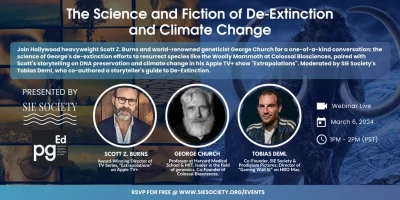
The emergence of genome editing technologies, such as CRISPR, has opened new possibilities for engineering the world around us. Scientists are considering ways to apply these tools to address agricultural and environmental issues—modifying crops (for herbicide tolerance, drought resistance, and so on), gene drives to counter vector-borne diseases (e.g., malaria), and even reviving extinct species. Some hail the use of these approaches, while others worry about the unintended consequences of these ecosystem-changing actions.
This webinar is part of a program co-organized by Personal Genetics Education & Dialogue and the Genetics Society of America. The aim of this partnership is to better equip scientists to engage in discussions about genetics with all communities, with special emphasis on those who have been marginalized, economically disadvantaged, or otherwise excluded from conversations about science.
View Our Terms of Use & Copyright Policy Statements.

Panelists

Director of Programs, PGED

Science Associate, PGED

Director of Education, PGED