
Genome editing can be used in many ways.
It can be used to treat and cure genetic disorders, improve human health, produce nutrient-dense foods, and resolve environmental issues. This is done by making specific changes to an organism’s DNA. Genome editing techniques can deactivate faulty genes or be used to insert or delete pieces of DNA code. One technique in particular, commonly known as “CRISPR” (pronounced like the word crisper), has generated a lot of excitement in scientific and medical communities. This is because CRISPR’s gene editing method is more efficient and accurate than past tools and because it is more easy to use.
Genome editing holds a lot of promise, but it’s also raising big questions about ethics and safety. Experts in science, ethics, and policy agree that we should be careful and that open conversations with people from all walks of life are important. This means reaching out to patients, faith leaders, environmentalists, disability rights advocates, and others, to decide on how we move forward with genome editing in our society.
Learn more about how genome editing has opened a pathway to engineering the world around us and the benefits and concerns that it raises by reading below.
A Success Story: Sickle Cell Disease
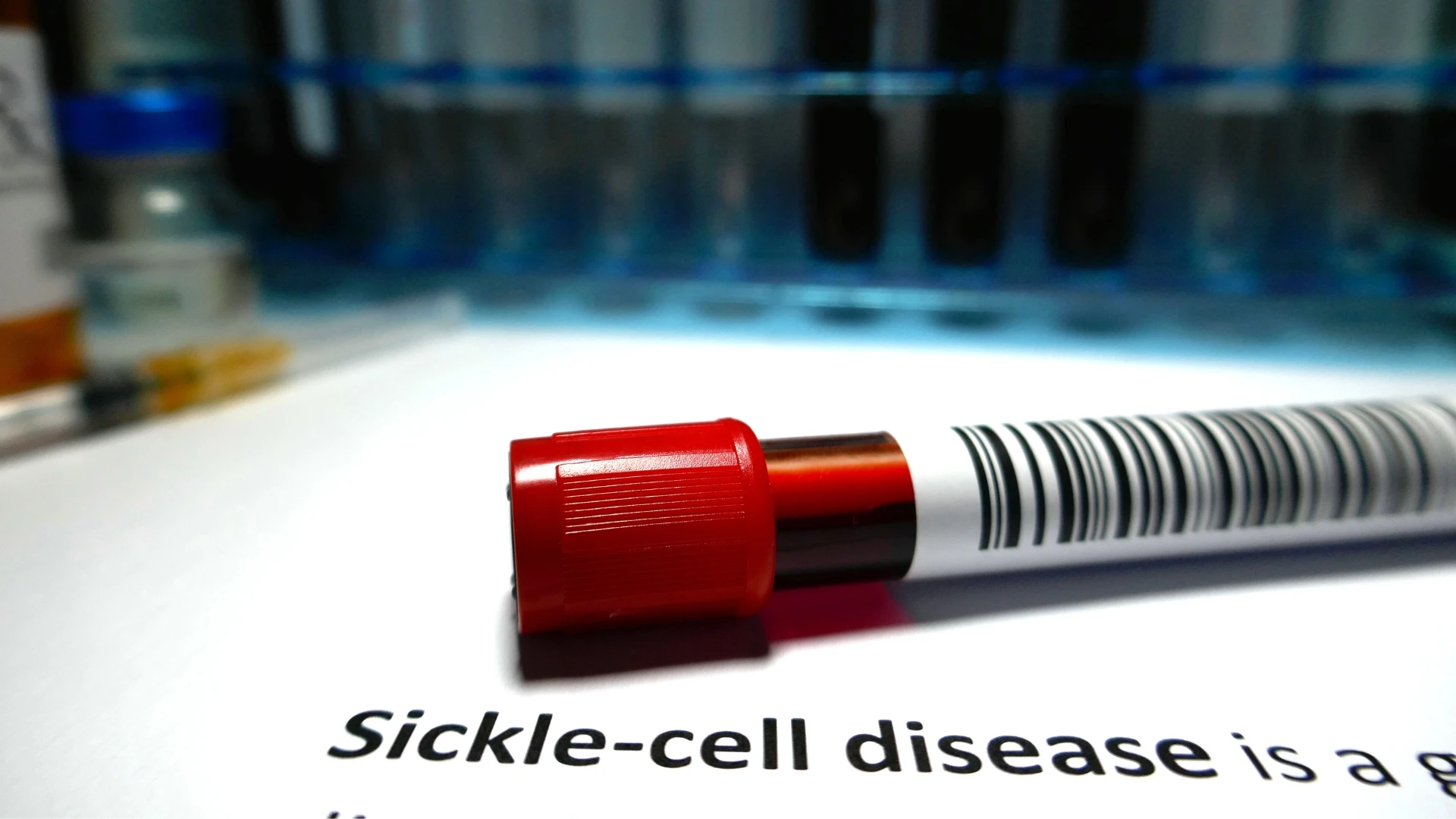
Sickle Cell Disease is a genetic condition that affects millions of people worldwide. In 2019, Victoria Gray, an African American woman with Sickle Cell Disease, became the first person to undergo a clinical trial using CRISPR to genetically modify her blood cells. Fortunately, she experienced life-changing results that ended her lifetime of sudden pain attacks and debilitating fatigue. The world’s first genome-editing-based treatments for sickle cell disease and beta-thalassemia (another genetic blood disease) were launched in 2023.
While the success of these treatments is exciting to scientists, clinicians, patients, and their families – and provides hope for treating other genetic diseases – many questions remain. With the cost of treatment at several millions of dollars, how can this therapy reach people around the globe who need it?
Pig Organs For Humans
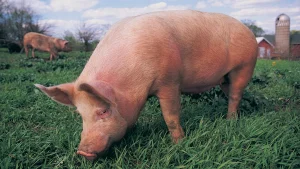 There is an extreme shortage of organs for people who need donations. Pigs hold a great deal of promise as possible donors, as many pig organs and human organs are similar in size and structure. However, serious challenges persist for potential recipients due to risks of immune rejection, problems with bleeding and clotting, and viral infection. Scientists are using genome editing to alter pig DNA to address these issues. Increased availability of organs for transplantation could potentially save thousands of lives annually.
However, this approach raises several social and ethical concerns. Animal rights activists worry about the harming and exploitation of animals. The choice of animals in which the organs are produced may present cultural or religious challenges for certain communities. There are also questions about whether the organs will be available to all patients who need them. Others worry about the first group of people who agree to such a transplant – will human bodies accept these organs, in the long term? Will the organs function for a length of time that justifies the risks and expense? While organs from genetically modified pigs offer one possible solution to the shortage of transplant organs, scientific challenges and ethical considerations remain.
Future Generations: Editing Human Embryos
A hotly debated topic is the modification of DNA in human embryos. For some people, the possibility of genome editing in embryos brings hope, as it could spare future generations in their families from having a particular genetic disease. However, this topic is fraught with ethical and safety concerns – and as of 2024, this is illegal in the US.
Genome editing of human embryos raises concerns about unexpected effects on fetal development as well as any long-term side effects in the future individual. In addition, making changes to the DNA of an embryo affects all cells in the future individual – including their germ cells (egg and sperm). This means that they will pass those DNA changes on to future generations. This is called “germline editing”, and it raises a lot of unique questions and concerns, such as:
- Do we have the right to change the DNA of our children and future generations without their consent?
- Who gets to decide what diseases or disabilities should be modified?
- Would the editing of certain diseases or disabilities lead to increased stigmatization of people who are living with those diseases or disabilities?
- Is the use of genome editing for non-medical “enhancements” acceptable?
The use of CRISPR technology has led to worldwide discussion and debate about whether germline editing in humans is appropriate, and whether or how society should proceed with such research and applications.

Editing The Environment
Genome editing has opened a pathway to engineering the world around us to potentially improve human health, agriculture, and the environment. However, not everyone agrees these applications would necessarily be a benefit, while others worry about the unintended consequences of these ecosystem-changing actions.
Following are a couple of examples that draw from current scientific research and environmental issues at the forefront of genetics and society:
- Changing food crops to increase their yield or make them more drought tolerant. One project is attempting to lower the toxicity of the staple crop cassava. Cassava becomes more toxic to humans when it is grown in arid conditions. This effect has become more common as global temperatures rise.
- Modifying the genes of disease-carrying animals, such as mosquitoes or ticks. Projects focused on protecting people from infection with diseases such as malaria, Lyme disease, and Zika virus are being tested around the world . But, these types of diseases do not impact humans alone. In Hawaii, genome editing in mosquitoes has been proposed to protect an endangered bird species that is on the verge of extinction, in part due to avian malaria.
- Using genome editing tools to revive extinct species or create an organism that resembles an extinct species is a process commonly called “de-extinction”. Some extinct species that researchers are trying to bring back are the passenger pigeon, moa, Tasmanian tiger, and the woolly mammoth.
Common Questions:
- How might genome editing be used to address the environmental issues we are facing?
- How would genome editing of organisms disrupt the current ecology?
- How do we consider using these tools when the risks and benefits are not fully clear?

A Success Story: Sickle Cell Disease
Sickle Cell Disease is a genetic condition that affects millions of people worldwide. In 2019, Victoria Gray, an African American woman with Sickle Cell Disease, became the first person to undergo a clinical trial using CRISPR to genetically modify her blood cells. Fortunately, she experienced life-changing results that ended her lifetime of sudden pain attacks and debilitating fatigue. The world’s first genome-editing-based treatments for sickle cell disease and beta-thalassemia (another genetic blood disease) were launched in 2023.
While the success of these treatments is exciting to scientists, clinicians, patients, and their families – and provides hope for treating other genetic diseases – many questions remain. With the cost of treatment at several millions of dollars, how can this therapy reach people around the globe who need it?
Pig Organs For Humans
There is an extreme shortage of organs for people who need donations. Pigs hold a great deal of promise as possible donors, as many pig organs and human organs are similar in size and structure. However, serious challenges persist for potential recipients due to risks of immune rejection, problems with bleeding and clotting, and viral infection. Scientists are using genome editing to alter pig DNA to address these issues. Increased availability of organs for transplantation could potentially save thousands of lives annually.
However, this approach raises several social and ethical concerns. Animal rights activists worry about the harming and exploitation of animals. The choice of animals in which the organs are produced may present cultural or religious challenges for certain communities. There are also questions about whether the organs will be available to all patients who need them. Others worry about the first group of people who agree to such a transplant – will human bodies accept these organs, in the long term? Will the organs function for a length of time that justifies the risks and expense? While organs from genetically modified pigs offer one possible solution to the shortage of transplant organs, scientific challenges and ethical considerations remain.
Future Generations: Editing Human Embryos
A hotly debated topic is the modification of DNA in human embryos. For some people, the possibility of genome editing in embryos brings hope, as it could spare future generations in their families from having a particular genetic disease. However, this topic is fraught with ethical and safety concerns – and as of 2024, this is illegal in the US.
Genome editing of human embryos raises concerns about unexpected effects on fetal development as well as any long-term side effects in the future individual. In addition, making changes to the DNA of an embryo affects all cells in the future individual – including their germ cells (egg and sperm). This means that they will pass those DNA changes on to future generations. This is called “germline editing”, and it raises a lot of unique questions and concerns, such as:
- Do we have the right to change the DNA of our children and future generations without their consent?
- Who gets to decide what diseases or disabilities should be modified?
- Would the editing of certain diseases or disabilities lead to increased stigmatization of people who are living with those diseases or disabilities?
- Is the use of genome editing for non-medical “enhancements” acceptable?
The use of CRISPR technology has led to worldwide discussion and debate about whether germline editing in humans is appropriate, and whether or how society should proceed with such research and applications.
Editing The Environment
Genome editing has opened a pathway to engineering the world around us to potentially improve human health, agriculture, and the environment. However, not everyone agrees these applications would necessarily be a benefit, while others worry about the unintended consequences of these ecosystem-changing actions.
Following are a couple of examples that draw from current scientific research and environmental issues at the forefront of genetics and society:
- Changing food crops to increase their yield or make them more drought tolerant. One project is attempting to lower the toxicity of the staple crop cassava. Cassava becomes more toxic to humans when it is grown in arid conditions. This effect has become more common as global temperatures rise.
- Modifying the genes of disease-carrying animals, such as mosquitoes or ticks. Projects focused on protecting people from infection with diseases such as malaria, Lyme disease, and Zika virus are being tested around the world . But, these types of diseases do not impact humans alone. In Hawaii, genome editing in mosquitoes has been proposed to protect an endangered bird species that is on the verge of extinction, in part due to avian malaria.
- Using genome editing tools to revive extinct species or create an organism that resembles an extinct species is a process commonly called “de-extinction”. Some extinct species that researchers are trying to bring back are the passenger pigeon, moa, Tasmanian tiger, and the woolly mammoth.
Common Questions:
- How might genome editing be used to address the environmental issues we are facing?
- How would genome editing of organisms disrupt the current ecology?
- How do we consider using these tools when the risks and benefits are not fully clear?